Most Lebanese stores
WooCommerce
WordPress-based, endlessly flexible, and the easiest fit for local payment methods. No monthly platform fee and no per-order surcharge. You own the whole stack.
Ecommerce website development in Lebanon that actually takes money in this market: Whish Pay, areeba cards, cash on delivery. Built on WooCommerce or Shopify by the person you talk to, from first call to first order.
Beirut, Lebanon · WooCommerce & Shopify · Since 2021
The Short Version
I build WooCommerce and Shopify stores for businesses in Lebanon and the GCC — ecommerce website development in Lebanon with the payment methods customers here actually use, mobile checkout that converts, and everything handed over in your name.
Strategy, design, build and payments — one person, one thread.
The Payment Reality
Most ecommerce advice assumes Stripe works everywhere. In Lebanon it doesn't, and a store built around payments your customers can't use is a store that doesn't sell. Every build starts from the methods that work here. The full list is in my guide on how to accept online payments in Lebanon.
COD is wired into checkout properly: order confirmation, delivery-zone rules and fees, and a flow that tells you exactly what to collect. Not an afterthought checkbox.
Whish is set up as a first-class payment option, through the official app on Shopify or the plugin and API on WooCommerce, so the customers who prefer it never hit a dead end at checkout.
For businesses that want card payments, the store is integrated with local processors like areeba / NetCommerce. I handle the technical integration once your merchant account is approved.
Lebanese card gateways accept international Visa and Mastercard. Stripe and PayPal are not available to Lebanese-registered businesses; if you have a foreign entity they can be added alongside the local methods. One store, priced in USD, taking money from Beirut and Dubai alike.
Product pages carry one-tap WhatsApp ordering next to the cart, because plenty of customers here want to ask a question before they pay. The store converts both kinds.
Design gets customers to checkout. Payments, delivery rules and trust get them through it. Every build here treats the second half as the job.
The Platform Question
I build on all three. The honest answer to "which one?" depends on what you sell, who buys it, and how much you want to own. The long version is in Shopify vs WooCommerce in Lebanon; here's the short one.
Most Lebanese stores
WordPress-based, endlessly flexible, and the easiest fit for local payment methods. No monthly platform fee and no per-order surcharge. You own the whole stack.
Speed & simplicity
Hosted, polished and quick to launch. A good fit when you want minimal maintenance and sell mostly abroad. Note that Shopify adds a surcharge on every order through a Lebanese gateway.
Beyond the template
When the business model doesn't fit a product grid, wholesale pricing, subscriptions, custom ordering flows, I code it directly.
In the free consultation I'll tell you plainly which one your business needs, including when the answer is the cheaper option, or when it's a business website first and a store later.
On Every Store
Product pages, cart and checkout designed for the phone first, where nearly all your orders will come from.
Whish Pay, cards, COD and international options set up, tested with real test orders before launch.
Shipping rules for Beirut, the rest of Lebanon and abroad, with fees your customers see clearly before they commit.
Clean structure, Product schema, optimised titles and compressed images, so your products can show up on Google, not just Instagram.
English/Arabic architecture with proper RTL layout available from day one. One store serving both audiences.
You learn to add products, change prices and manage orders yourself. Then everything is handed over in your name: domain, hosting, store and content.

Selected Work
READ THE CASE STUDY ↗
WooCommerce catalogue · 330+ products · SEO
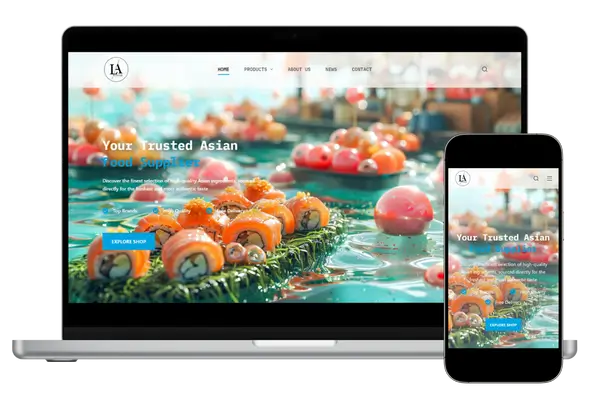
A food importer with no website. Four weeks later: a 330-product WooCommerce catalogue, product photography, and the #1 result on Google for its target search.
Read the case study ↗
VIEW LIVE SITE ↗
Ecommerce · Design · Development · SEO
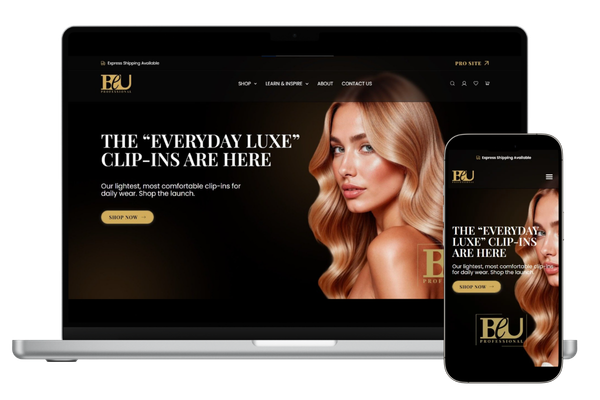
A beauty brand's store built end to end: product presentation that sells, mobile checkout, and search work after launch. Open it and judge for yourself.
More ecommerce and retail work, including Star Cosmetics, Laid and Freya, is in the full portfolio ↗
Transparent Pricing
Every quote is fixed, in USD, and includes design, development, payment setup, mobile optimisation and a technical SEO foundation. No hidden costs.
Smaller catalogue, simpler needs? Some stores come in under $1,000; every quote is scoped to your project, and the consultation is free. Cost moves with the number of products, payment methods, custom features, bilingual English/Arabic requirements and who produces the content. The full breakdown, with real ranges from projects I build, is in the ecommerce website cost guide for Lebanon.
Get a Store EstimateProcess
Five stages, one person, and a fixed scope you approve before anything gets built.
Output — free consultation
What you sell, who buys it, how they pay, and how orders get delivered. The answers that decide the whole build.
Output — fixed USD proposal
WooCommerce, Shopify or custom, with payment methods, product count, delivery rules and timeline, at a fixed price you approve first.
Output — approved store design
Product pages, cart and checkout designed mobile-first and approved by you before development. The design side lives on the website design in Beirut page.
Output — tested store
Products loaded, payments integrated, delivery zones configured, then real test orders through every payment method before anyone else touches it.
Output — live store + handover
Launch, a training session so you run products and orders yourself, and everything handed over in your name, with optional monthly maintenance after.
Read First
Everything I tell clients before they start, written down.
FAQ
Most online stores on WooCommerce or Shopify cost 1,000 to 2,000 USD, including design, development, payment setup, delivery configuration and training. Smaller stores with a simple catalogue can come in below 1,000 USD. Custom ecommerce platforms with wholesale pricing, subscriptions or bespoke ordering flows start at 3,000 USD. Every quote is fixed, in USD, with no hidden costs.
The methods Lebanese customers actually use: Whish Pay, card payments through local processors like areeba / NetCommerce, and cash on delivery. Lebanese gateways also accept international cards for GCC and diaspora customers. Stripe and PayPal are not available to Lebanese-registered businesses; they can be added only through a foreign entity. I set up and test all of them before launch.
Yes, and properly, not as an afterthought. COD is configured with delivery-zone rules and fees, order confirmations for the customer, and clear order records for you, so you always know what to collect on each delivery.
I build both, so the recommendation is honest. WooCommerce fits most Lebanese stores: no monthly platform fee, no per-order surcharge, full ownership, and the easiest integration with local payment methods. Shopify fits businesses that want a hosted platform with minimal maintenance and sell mostly abroad. The full comparison is in Shopify vs WooCommerce in Lebanon, and you get a plain recommendation for your case in the free consultation.
A standard store takes 4 to 8 weeks from first conversation to launch, depending on product count and payment methods. Custom ecommerce platforms take 6 to 12 weeks. You get a committed timeline with your fixed quote, and progress updates throughout.
Yes. Bilingual stores are built with a proper right-to-left (RTL) layout for Arabic, a language switcher and correct hreflang tags, product pages, cart and checkout included, so both audiences shop naturally in one store.
Yes, that's the point of the handover. Every store launch includes a training session where you learn to add products, change prices, manage stock and process orders yourself. You own the store outright; I stay available for support and maintenance if you want it, with no lock-in.
Yes. Delivery zones and rates are configured for Beirut, the rest of Lebanon and international orders, with fees shown clearly at checkout. If your courier provides an integration, I connect it; otherwise orders flow to you by email and WhatsApp so fulfilment stays simple.
Every store launches with a technical SEO foundation: clean structure, Product schema, optimised titles and compressed images, so your products are eligible to appear in Google search and shopping results. Ongoing SEO services in Lebanon are available separately if you want to grow that traffic after launch.
Instagram builds the audience; a store converts it while you sleep. With a website, customers can browse the full catalogue, see prices, and order at 11pm without waiting for a reply, and you appear on Google, which Instagram pages don't. The two work together: the store carries one-tap WhatsApp ordering for customers who still want to ask first.
More questions about payments, hosting and ownership are answered in the full web design & development FAQ.
Beirut · Lebanon · GCC — +961 70 884 941 · info@omarhalabi.com
Free consultation · fixed USD quotes · you own everything at the end.